
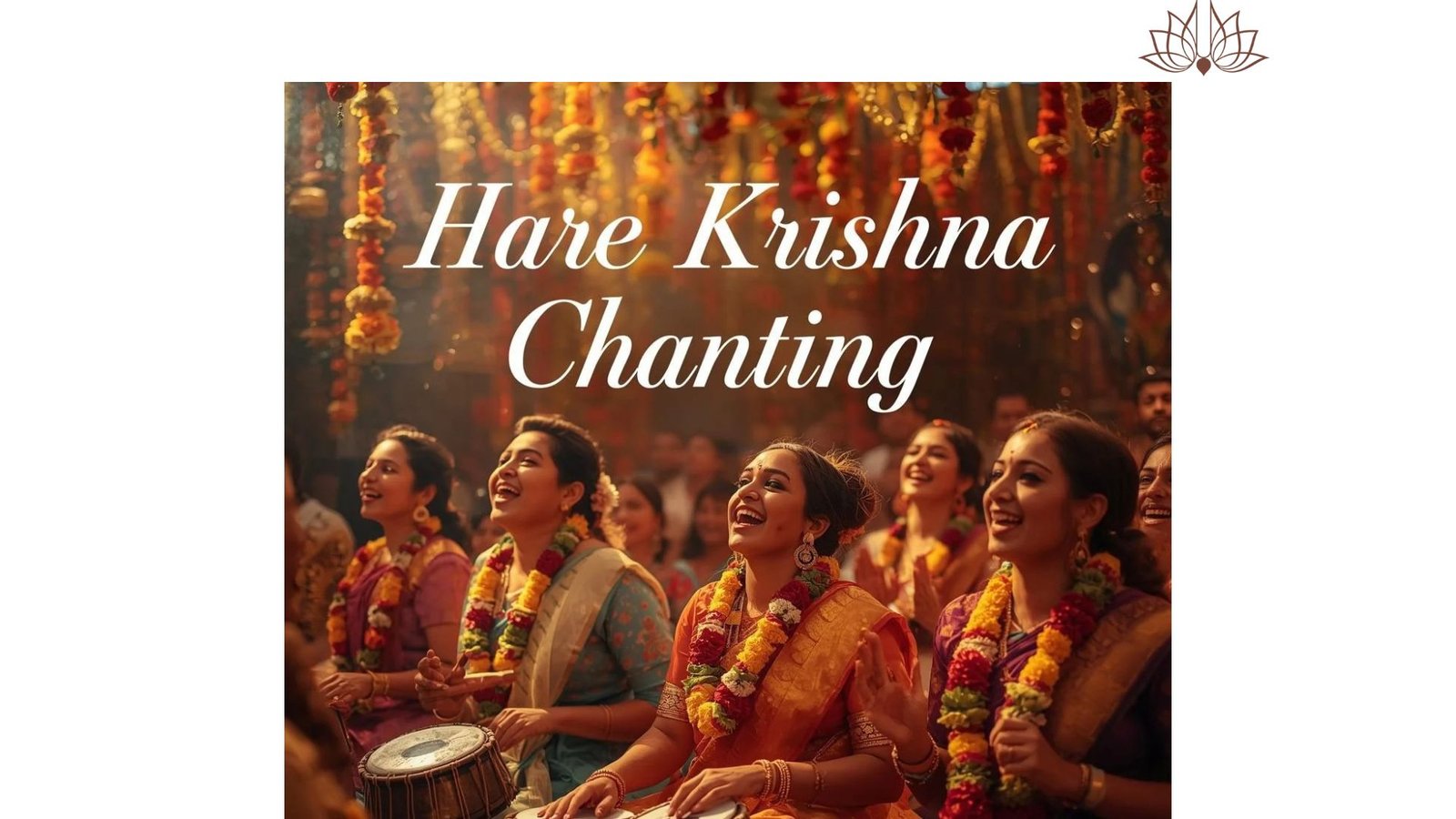
If you have ever heard the sound of “Hare Krishna, Hare Krishna, Krishna Krishna, Hare Hare” echoing through a temple corridor or a bustling Indian street, you already know there is something different about it. Something that stills the mind, even for just a moment.
Hare Krishna chanting is not simply a religious ritual. It is one of the most accessible and profound spiritual practices available to anyone, regardless of age, background, or prior experience. Rooted in ancient Vedic wisdom and carried forward by an unbroken lineage of saints and teachers, this practice has guided millions of people in India and across the world toward inner peace, clarity, and a deeper connection with the divine.
At ISKCON Whitefield, part of the global ISKCON family founded by His Divine Grace A.C. Bhaktivedanta Swami Prabhupada, we have been walking this path with seekers from across Bengaluru and beyond. Whether you are a first-time visitor to a temple or someone who has chanted for years, this guide will help you understand the practice more deeply and take your next step forward.
What Is the Hare Krishna Maha Mantra?
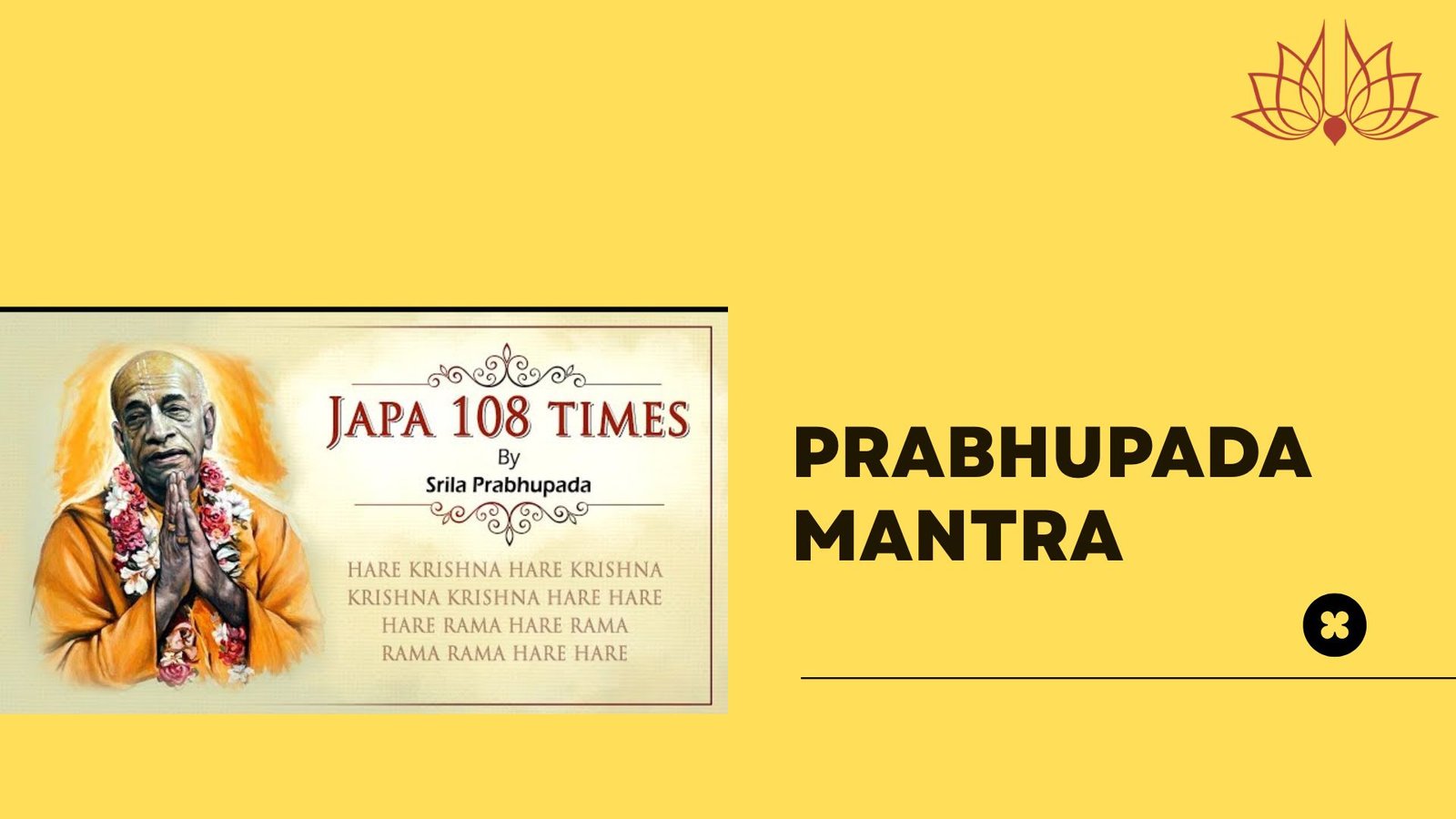
The Hare Krishna mantra, formally known as the Maha Mantra or “great mantra,” consists of just sixteen words arranged across two lines:
Hare Krishna Hare Krishna, Krishna Krishna Hare Hare Hare Rama Hare Rama, Rama Rama Hare Hare
These are not ordinary words. They are Sanskrit names that carry within them a direct spiritual connection to the Supreme.
Hare refers to the divine energy of the Lord, specifically Srimati Radharani. Chanting this name is an appeal to be engaged in the Lord’s loving service.
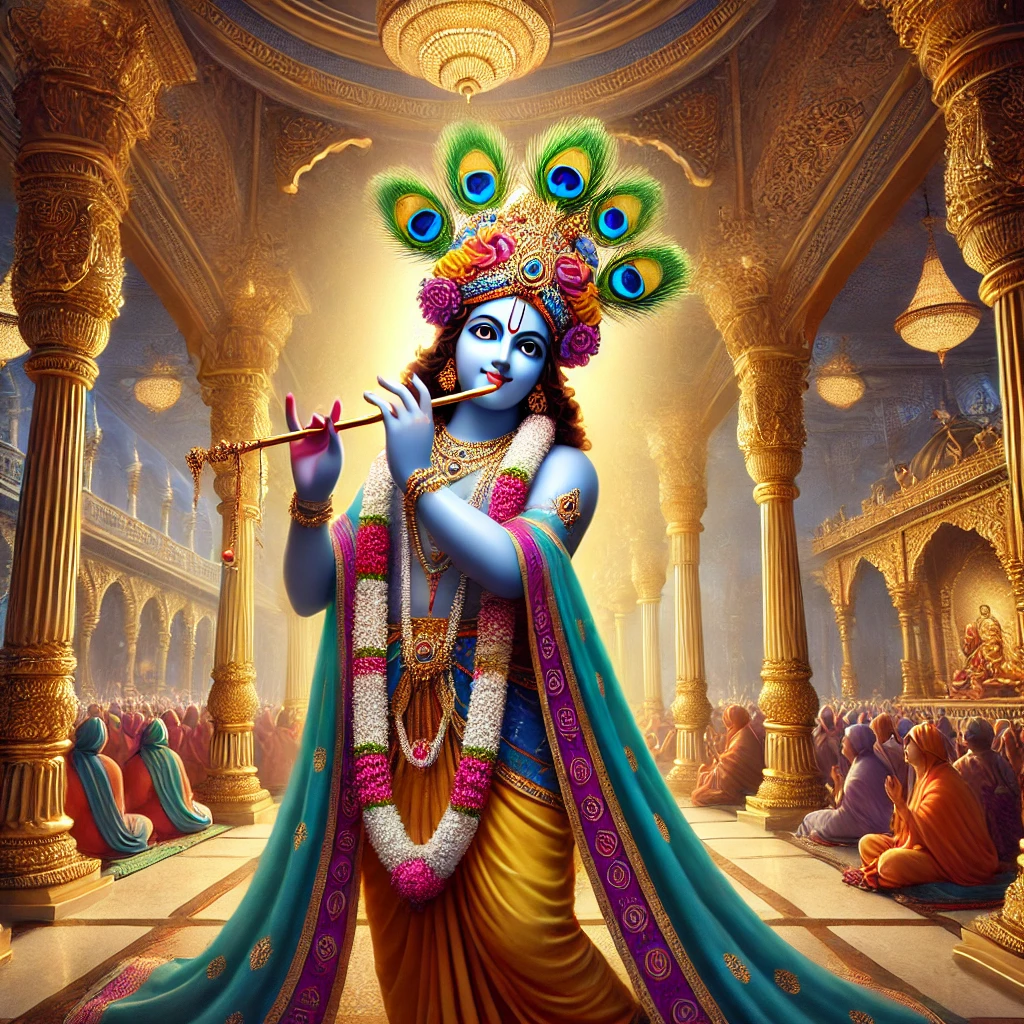
Krishna means “the all-attractive one,” the name of the Supreme Personality of Godhead in His original form.
Rama means “the source of all pleasure,” pointing to the boundless joy that flows from a connection with the divine.
Together, these three names form a complete prayer: a heartfelt call to the Lord and His energy, asking for shelter, guidance, and pure devotion.
The Origin and Scriptural Basis of the Maha Mantra
The Maha Mantra is not a modern invention. Its origins trace back to the Vedic scriptures, particularly the Kali-Santarana Upanishad, which identifies this mantra as the most effective means of spiritual liberation in the current age, Kali Yuga. According to this scripture, there is no other path as powerful for attaining freedom from material bondage in this era.
In the 16th century, Sri Chaitanya Mahaprabhu, revered across India as a saint and avatar of Krishna, popularized the public chanting of this mantra. He walked across the Indian subcontinent with groups of devotees, filling towns and villages with the sound of the holy names. This practice, known as the Sankirtan movement, created a wave of spiritual renewal that is still felt today.
In 1965, Srila Prabhupada carried this tradition from India to the West. He founded ISKCON (the International Society for Krishna Consciousness) to bring this wisdom to every corner of the world. Today, ISKCON operates hundreds of temples globally, and ISKCON Whitefield stands as a vibrant part of this mission in the heart of Bengaluru.
Why Sound Matters: The Spiritual Science Behind Chanting
In the Vedic tradition, sound is not merely vibration. It is considered a fundamental force of creation. The concept of “Shabda Brahman” teaches that transcendental sound is identical to the Supreme Truth itself.
The Maha Mantra is described in this tradition as Krishna Himself appearing in the form of sound. When you chant these names, you are not calling out to someone far away. You are directly contacting the divine. The mantra acts on a level deeper than the conscious mind, purifying the subtle layers of the heart and gradually transforming how we perceive ourselves and the world around us.
This is why even people who begin chanting without much prior belief often report noticeable changes: a quieter mind, a reduced grip of anxiety, a growing sense of belonging to something larger than themselves.
The Real Benefits of Hare Krishna Chanting
People come to this practice for different reasons. Some are seeking relief from stress. Others are looking for spiritual purpose. Many simply stumbled upon it out of curiosity. What they find, often to their own surprise, goes much deeper than what they were originally looking for.
Inner Peace and Relief from Anxiety
Modern life in India, particularly in cities like Bengaluru, moves fast. Deadlines, family pressures, traffic, financial concerns, the mind rarely gets a genuine rest. Hare Krishna chanting offers something that no productivity app or weekend retreat can fully replicate: a direct experience of stillness that is not dependent on external circumstances.
The holy name, as described in the Padma Purana and other Vedic texts, removes all inauspiciousness from the mind. Regular chanters frequently describe a shift in how they respond to stress. Not that the stress disappears, but the inner anchor becomes stronger.
Purification of Heart and Mind
The Vedic tradition identifies certain qualities, including lust, anger, greed, pride, and envy, as the root causes of suffering. These are not removed through willpower alone. Chanting the holy names works at a subtler level, gradually dissolving these tendencies from the inside out.
This purification process has stages. Observances like Ekadashi, the auspicious fasting day that falls twice a month, complement and accelerate this inner cleansing when observed alongside a regular chanting practice.
Freedom from Karmic Reactions
In Vedic philosophy, every action generates a reaction. The accumulated weight of past karma keeps the soul bound in repeated cycles of birth and death. The Maha Mantra is described as so powerful that it can dissolve even deeply rooted karmic impressions. This is not a metaphor. Generations of practitioners, from 16th-century saints to present-day devotees, have experienced this liberating effect firsthand.
A Deeper Sense of Purpose and Belonging
Chanting connects you to a living tradition, to a community, and to a loving relationship with the divine that is personal and real. Many people who begin chanting report that life gradually starts making more sense, not because their external circumstances changed dramatically, but because their inner relationship with existence shifted.
How to Practice Hare Krishna Chanting: A Step-by-Step Guide
One of the most beautiful things about this practice is its simplicity. You do not need a degree in Sanskrit. You do not need to be vegetarian already (though it helps). You do not need to belong to any particular community or caste. You simply begin.
There are two primary forms of Hare Krishna chanting: Japa and Kirtan.
Japa Meditation: Personal, Quiet, and Profound
Japa is the practice of chanting the Maha Mantra individually, typically using a set of 108 prayer beads called a Japa Mala. Each bead represents one repetition of the full mantra. Completing all 108 beads constitutes one “round.”
How to begin:
Sit in a comfortable position in a clean, quiet space. Early morning, specifically the Brahma Muhurta period between 4 AM and 6 AM, is considered the most spiritually potent time for this practice, though any time works for beginners.
Hold your Japa Mala in your right hand, keeping it covered in a bead bag to maintain focus. Use your thumb and middle finger to move from bead to bead as you chant.
Chant each word clearly and listen attentively as you chant. This is important. The goal is not to race through the beads but to hear every syllable with full attention.
Begin with one round per day. As the practice grows more natural, you can gradually increase to two, four, eight, or sixteen rounds, which is the traditional daily commitment for initiated devotees.
ISKCON Whitefield offers dedicated Mantra Meditation courses to help you build a strong and sustainable japa practice, regardless of where you are starting from.
Kirtan: Chanting Together, Amplifying the Effect
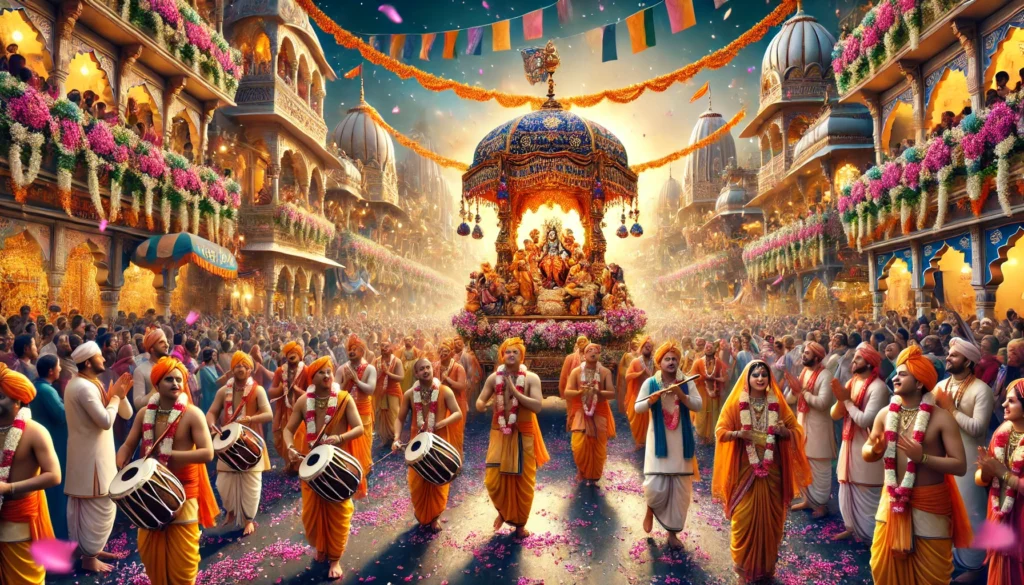
Kirtan is congregational chanting, typically led by a singer who calls out the mantra while the group responds. It is usually accompanied by traditional instruments like the mridanga (clay drum) and karatalas (hand cymbals).
If japa is a quiet conversation with the divine, kirtan is a celebration. The energy generated in a room full of people chanting together is something that genuinely has to be experienced. It builds quickly, lifts the spirit, and leaves participants with a sense of joy that is difficult to explain but easy to recognize.
Kirtan also carries a unique benefit: even those who simply hear the chanting receive spiritual merit. The sound of the holy names has an effect whether or not the hearer understands the words or even has any conscious intention to receive it.
ISKCON Whitefield holds regular Kirtan and Satsanga programs that are open to everyone. Whether you are a regular devotee or someone who has never set foot in a temple, you are welcome to join.
| Feature | Japa | Kirtan |
| Setting | Personal, quiet space | Congregational, group singing |
| Volume | Soft or whispered | Loud, with musical instruments |
| Primary benefit | Personal purification and focused attention | Collective upliftment and spiritual merit for all who hear |
| Tools | Japa Mala beads | Mridanga, karatalas, harmonium |
| Best for | Building a daily spiritual foundation | Building community and intensifying devotional energy |
The Nine Stages of Chanting: Where Are You on the Path?
The tradition describes spiritual progress through nine ascending stages. Understanding these can help you recognize where you are and what lies ahead.
Shraddha is the first stage, the initial spark of faith or curiosity that draws you to chanting. If you are reading this, you are likely already here.
Sadhu-sanga is the stage of associating with sincere practitioners. Being around those who chant regularly and sincerely accelerates your own growth in ways that solo practice alone cannot replicate.
Bhajana-kriya marks the beginning of an actual daily practice, the commitment to chant regularly rather than occasionally.
Anartha-nivritti is the stage where deep cleansing begins. Unwanted habits, thought patterns, and material attachments start to loosen. This stage can feel uncomfortable, but it is a sign of genuine progress.
Nistha is the development of steady, unshakeable faith. Chanting becomes a non-negotiable part of daily life.
Ruchi brings a higher taste, a genuine inner delight in chanting that makes material pleasures feel comparatively flat.
Asakti is deep attachment to the holy name and to Krishna personally.
Bhava is the first flowering of pure love for God, a state of spiritual ecstasy.
Prema is the ultimate destination: fully realized, unconditional, and ecstatic love for the Supreme. This is the state attained by great saints and the goal toward which the entire practice is oriented.
Deepen Your Practice with ISKCON Whitefield
Beginning is easy. Sustaining and deepening the practice is where community, guidance, and proper understanding make all the difference. ISKCON Whitefield offers a range of structured programs designed to support practitioners at every stage.
Study Programs That Build the Foundation
The Gita Course is an in-depth exploration of the Bhagavad Gita, one of the world’s most beloved spiritual texts and the philosophical backbone of the chanting tradition.
Bhakti Steps introduces the foundational principles of devotional service (Bhakti Yoga) in a structured and accessible format.
The FOLK Program (Friends of Lord Krishna) is designed specifically for young people, making the tradition relevant and engaging for a new generation.
Krishna Life brings spiritual discourses and guided chanting sessions directly to homes and local communities across Bengaluru, making access to this practice as easy as possible.
You can find details about all of these programs and more through our Bhakti Centres, which serve multiple localities across the region.
Practical Tools for Your Daily Practice
A dedicated practice benefits enormously from the right physical supports. ISKCON Whitefield’s devotional store carries authentic Japa Malas, bead bags, and the complete collection of Srila Prabhupada’s books, which provide the deepest philosophical context for everything described in this guide. Reading these works alongside your chanting practice is something that experienced practitioners consistently recommend.
Serve the Mission: How You Can Get Involved
Chanting purifies the individual. Service expands that purification into action in the world. At ISKCON Whitefield, there are meaningful ways to contribute to something larger than yourself.
The Cause for Life initiative offers a range of seva (devotional service) opportunities for those who wish to serve the mission in an ongoing capacity.
Our Food for Life program distributes thousands of nutritious, sanctified meals to those in need across the Bengaluru area. Supporting this program is one of the most direct ways to put the compassion that chanting cultivates into concrete action.
ISKCON Whitefield is also currently engaged in the construction of a new Sri Radha Krishna Temple, which will serve as a spiritual home for generations of seekers to come. If you would like to support this effort, your contribution, regardless of size, becomes a permanent part of this sacred work.
Begin Your Journey Today
Hare Krishna chanting is one of those rare practices that asks very little and gives enormously in return. It requires no special equipment, no prior knowledge, no particular physical ability. It requires only a willingness to begin and the consistency to continue.
ISKCON Whitefield is here to walk this path with you, through programs, community, seva opportunities, and the simple shared experience of chanting together. However you choose to engage, and whether you are taking your very first step or deepening a practice you have carried for years, the doors are open.
Come chant with us.
Visit us at ISKCON Whitefield, Bengaluru. Explore our programs, join our Kirtan sessions, and connect with a community that has made the holy name the center of its life.
Frequently Asked Questions About Hare Krishna Chanting
Q1. What exactly does the Hare Krishna Maha Mantra mean?
It is a direct spiritual appeal to the Lord (Krishna and Rama) and His divine energy (Hare), asking to be engaged in His loving service. The names themselves carry this meaning within them.
Q2. How does a complete beginner start chanting?
Begin with one round of japa each morning, chanting clearly and listening attentively to each word. Joining a kirtan session at a local temple or ISKCON center makes the practice feel much more natural from the very beginning.
Q3. Is there a best time of day to chant?
The Brahma Muhurta period, roughly 4 AM to 6 AM, is traditionally regarded as the most auspicious time. The mind is quietest, the environment is still, and the spiritual atmosphere is considered especially receptive. However, any time is better than no time, particularly for beginners.
Q4. What is the practical difference between Japa and Kirtan?
Japa is individual, silent or whispered chanting done on beads as a personal meditation. Kirtan is loud, communal chanting with music. Both are essential parts of the practice and complement each other.
Q5. Can this practice genuinely help with stress and anxiety?
Yes. The spiritual sound vibration has a demonstrable calming effect on the mind. Practitioners consistently report reduced anxiety, better sleep, and a greater ability to remain centered under pressure. These are natural outcomes of a regular practice, not merely placebo effects.
Q6. Do I need to be initiated or take a spiritual master to start?
No. Anyone can begin chanting the holy names today, right now, without any formal initiation or teacher. That said, association with a qualified spiritual community and eventually a genuine spiritual teacher accelerates progress significantly and helps avoid common pitfalls.
Q7. Is Hare Krishna chanting connected to any specific caste or religion?
No. The tradition explicitly states that the holy name makes no distinction based on birth, caste, gender, or nationality. Srila Prabhupada emphasized this universality throughout his life, and ISKCON’s global reach reflects it. Anyone who sincerely calls on the holy names is welcomed by them.