There is a sound that has resonated through the ages, one that sages asked for, scriptures preserved, and saints spread across the world. That sound is the hare krishna iskcon mantra, and in today’s fast-moving world, it is more relevant than ever. Whether you are a working professional in Bengaluru dealing with daily stress, a student seeking clarity, or someone simply looking to feel more grounded, this ancient Maha-Mantra is your invitation to a life of deeper purpose.
At ISKCON Whitefield, Bangalore, a centre spiritually mentored by ISKCON Whitefield and part of the global ISKCON movement founded by His Divine Grace A.C. Bhaktivedanta Swami Prabhupada, this sacred chant is at the very heart of everything we do. This guide will take you through what this mantra is, where it comes from, what it means, and how you can begin your own practice today.
What Is the Hare Krishna Maha-Mantra?
The Hare Krishna mantra, universally known as the Maha-Mantra or the “Great Chant,” is a sixteen-word Vaishnava mantra composed of three sacred Sanskrit names. It is not a ritual phrase or a cultural relic. It is a living, vibrational call to the Supreme Lord and His divine energies, designed specifically to purify the heart and revive the soul’s innate spiritual awareness.
The mantra is:
Hare Krishna, Hare Krishna, Krishna Krishna, Hare Hare Hare Rama, Hare Rama, Rama Rama, Hare Hare
In Devanagari:
हरे कृष्ण हरे कृष्ण कृष्ण कृष्ण हरे हरे हरे राम हरे राम राम राम हरे हरे
The three sacred names carry distinct meanings. “Hare” refers to the divine energy of the Lord, specifically Srimati Radharani, the Shakti or sacred feminine power of Krishna. In Vaishnava etymology, the word Hare refers to Hara, which literally means “captivating” or “carrying away,” personifying Goddess Radha, who is the Shakti of Krishna and described as the one who captured the mind of Krishna. “Krishna” means the all-attractive one, the Supreme Personality of Godhead. “Rama” refers to the reservoir of all transcendental pleasure.
Pronunciation is simple and phonetic for Indian speakers. “Hare” is spoken as “Ha-ray,” “Krishna” as “Krish-na,” and “Rama” as “Raa-ma.”
The Scriptural Roots: What the Vedas Say
Many people wonder whether the hare krishna iskcon mantra has genuine Vedic authority or whether it is a modern creation. The answer is found in one of the most important minor Upanishads of the Krishna Yajurveda.
The mantra is first attested in the Kali-Santarana Upanishad, an Upanishad of the Krishna Yajurveda. The text is one of the Vaishnava Upanishads, composed before about 1500 CE, and it was popularized by Chaitanya Mahaprabhu in the 16th century. The Maha-mantra enunciated in this Upanishad became world-famous through the Hare Krishna (ISKCON) movement.
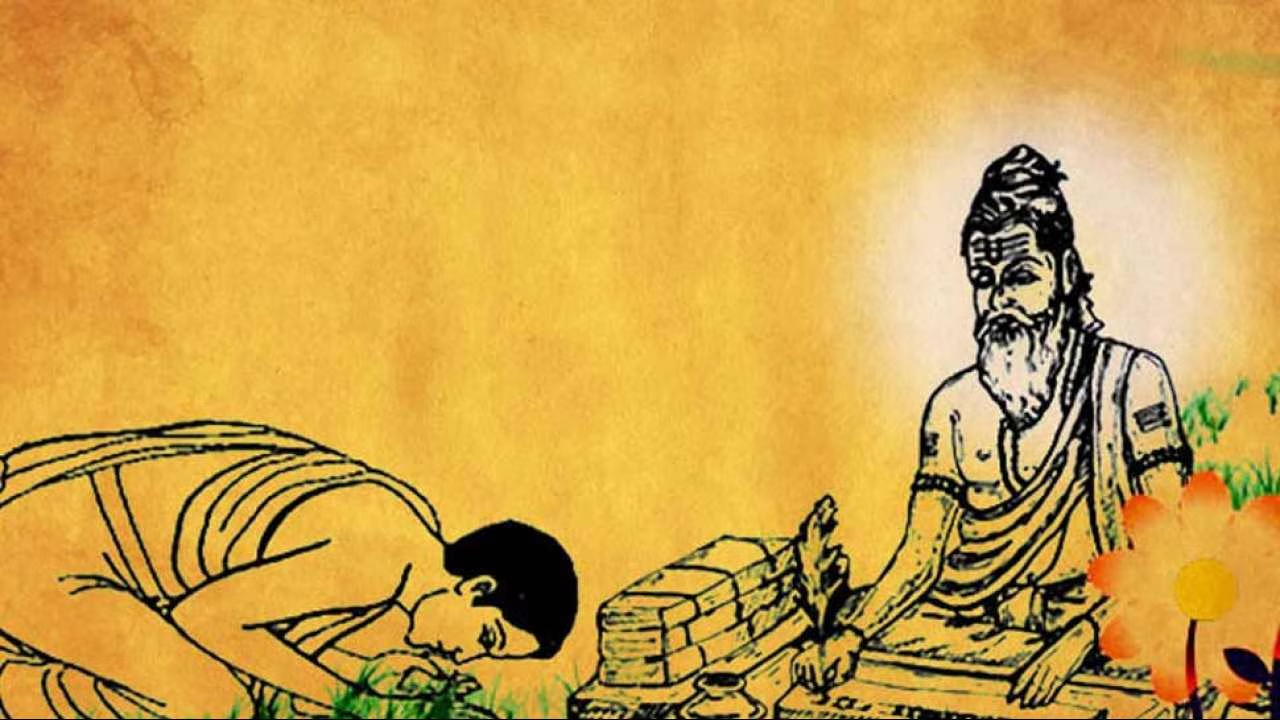
The story behind this mantra’s revelation is profoundly moving. At the time when the Dvapara Yuga was drawing to a close, Narada Muni approached Lord Brahma and asked: “O Lord! How will all living entities be able to deliver themselves from the most degraded age of Kali which is about to begin?”
Lord Brahma replied: “You have asked the most important and relevant question for the benefit of humanity. I will now tell you the most concealed secret of the Vedic literatures, with the help of which everyone can easily cross this most dangerous age of Kali.”
Brahma then revealed the sixteen sacred names: Hare Krishna, Hare Krishna, Krishna Krishna, Hare Hare / Hare Rama, Hare Rama, Rama Rama, Hare Hare.
The Upanishad further declares that this Maha-mantra consisting of sixteen names is the destroyer of the sixteen-layered illusory covering of all living entities. Only when these coverings are destroyed does Lord Krishna appear in the heart of the devotee, just as the sun appears with full intensity when clouds are removed.
Importantly, Lord Brahma also clarified that there are no rules or regulations for chanting this Maha-mantra. It should be chanted always, irrespective of whether one is in a pure or impure condition. This makes it the most accessible spiritual practice in existence.
Beyond the Kali-Santarana Upanishad, the Brihan-naradiya Purana also declares: “In this Age of Kali there is no other means, no other means, no other means for self-realization than chanting the holy name, chanting the holy name, chanting the holy name of Lord Hari.”
The Deep Meaning of the Maha-Mantra
Understanding the meaning behind the hare krishna iskcon mantra transforms chanting from mere repetition into a heartfelt prayer. When we chant, we are not performing a mechanical ritual. We are addressing the Lord directly with a sincere plea: “O divine energy of the Lord, O all-attractive Krishna, O reservoir of all pleasure, please engage me in Your loving devotional service.”
It is a call to reconnect. Every soul, according to Vedic wisdom, is spiritually connected to Krishna but has become covered by layers of material conditioning over countless lifetimes. The Maha-Mantra works like a gentle but powerful cleansing agent on these coverings. Gaudiya Vaishnavas assert that the effect of reciting this mantra is to imbue the innermost part of one’s being with spiritual pleasure, to experience transcendental ecstasy, and to revive deep consciousness of the divine.
Sri Chaitanya Mahaprabhu, who is regarded as the foremost proponent of this chanting tradition in the 15th and 16th centuries, taught that the mantra should be chanted with humility, feeling lower than a blade of grass, more tolerant than a tree, and offering respect to everyone without expecting respect in return. This mood of devotion makes the chanting not merely a sound but a spiritual act.
Srila Prabhupada and the Global Journey of the Hare Krishna Mantra
The global recognition of the hare krishna iskcon mantra in modern times is largely the fruit of one man’s extraordinary mission. In 1965, Swami Prabhupada brought the Hare Krishna movement to New York and introduced it to the Western world. Today, millions of people around the globe have benefited from meditation and the transformative power of chanting.
Srila Prabhupada’s fundamental message was that this mantra belongs to everyone. Caste, creed, nationality, educational background, none of these create any barrier. The mantra is a universal gift, and chanting it is a universal right.
ISKCON Whitefield, Bangalore, is a non-profit organisation dedicated to sharing the timeless wisdom of the Vedas and deepening devotion to Sri Sri Radha-Krishna, making spiritual knowledge accessible and practical through Bhagavad Gita teachings, devotee-led programs, festival celebrations, and the chanting of the Hare Krishna Maha-mantra.
Why Should You Chant the Hare Krishna ISKCON Mantra?
The benefits of chanting are real, practical, and experienced by millions of sincere practitioners. They operate on multiple levels simultaneously.
Spiritual Purification: The primary purpose of chanting is described in Sanskrit as “ceto-darpana-marjanam,” which means cleansing the mirror of the heart. Just as a dusty mirror cannot reflect clearly, a heart conditioned by material desires cannot perceive spiritual truth. Chanting steadily removes this dust.
Relief from Anxiety and Stress: In the Padyavali, it is stated that the holy name extinguishes the blazing fire of material existence. For those living in urban environments like Bengaluru, navigating professional pressures and daily chaos, this is not a metaphor but a lived experience. Thousands of practitioners in our community report a marked reduction in anxiety and an increase in mental clarity through regular chanting.
Awakening of Devotion and Love: The chanting revives the soul’s original, joyful love for the Supreme. This is not a manufactured emotion but a genuine spiritual awakening that becomes progressively deeper over time.
Transcendental Bliss: Regular, attentive chanting leads to moments of genuine inner joy that are qualitatively different from anything material pleasures can offer.
Universal Accessibility: As established in the Kali-Santarana Upanishad, there are no prerequisites. Age, background, religious initiation, none of these are required. Anyone, anywhere, at any time, can begin chanting and begin experiencing the benefits.
Our Food for Life programme, inspired by Srila Prabhupada’s instruction that no one should go hungry within a ten-mile radius of an ISKCON temple, is itself an expression of this compassion that chanting awakens in sincere practitioners.
How to Chant the Hare Krishna Mantra: A Practical Guide
Learning how to chant is simple. There are two main methods practiced in the ISKCON tradition, and both are equally valid and powerful.
Japa: Personal Meditation on Beads
Japa is the quiet, meditative form of chanting, performed on a string of 108 beads called a Japa Mala. Here is how to begin:
Obtain a Japa Mala, which is a string of 108 beads plus one head bead. These are available through ISKCON Whitefield along with other devotional items.
Hold the mala in your right hand. Begin with the bead adjacent to the head bead, also known as the “Sumeru” bead.
Chant the full Maha-Mantra on each bead: Hare Krishna, Hare Krishna, Krishna Krishna, Hare Hare / Hare Rama, Hare Rama, Rama Rama, Hare Hare.
Move to the next bead and repeat. Completing all 108 beads constitutes one “round” of japa.
Do not cross over or chant on the head bead. To begin a second round, reverse direction and go back.
The ideal time for japa is the early morning hours, known as Brahma-muhurta, approximately 90 minutes before sunrise. This is the most sattvic period of the day, when the mind is fresh and the environment is still. Many devotees observe Ekadashi, the sacred fasting day that occurs twice a month, as an especially auspicious occasion for increased chanting.
Kirtan: Congregational Chanting
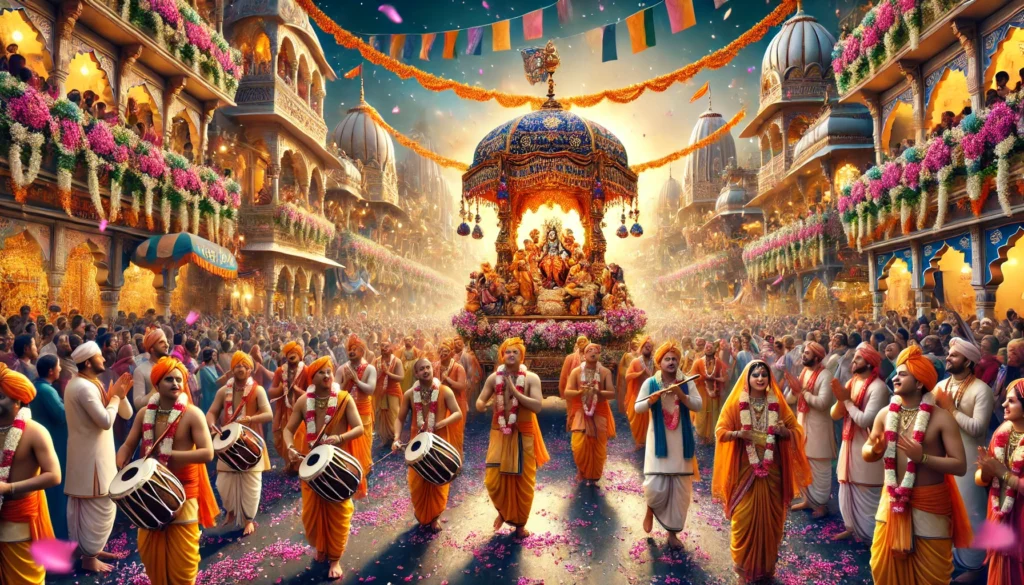
Kirtan is the loud, melodious, call-and-response group singing of the holy names, often accompanied by instruments like the mridanga drum and kartals. It is a joyful, energizing, and deeply purifying collective experience.
The Gaudiya Vaishnava tradition asserts that the mantra should be recited audibly, because the sound liberates not only the person chanting but also the listener. Wikipedia This is why kirtan is open to everyone, even those who may not yet know the words. Simply hearing is itself a form of spiritual benefit.
ISKCON Whitefield hosts daily and weekend programs where kirtan is a central part of every gathering. If you have never attended a kirtan session, coming once is enough to understand why millions of people around the world have made this practice the core of their spiritual life.
Japa Meditation at ISKCON Whitefield
ISKCON Whitefield offers guided Mantra Meditation sessions specifically designed for those who are new to japa or who want to deepen their practice in a group setting. These sessions cover correct pronunciation, the mood of chanting, and how to build a consistent daily practice.
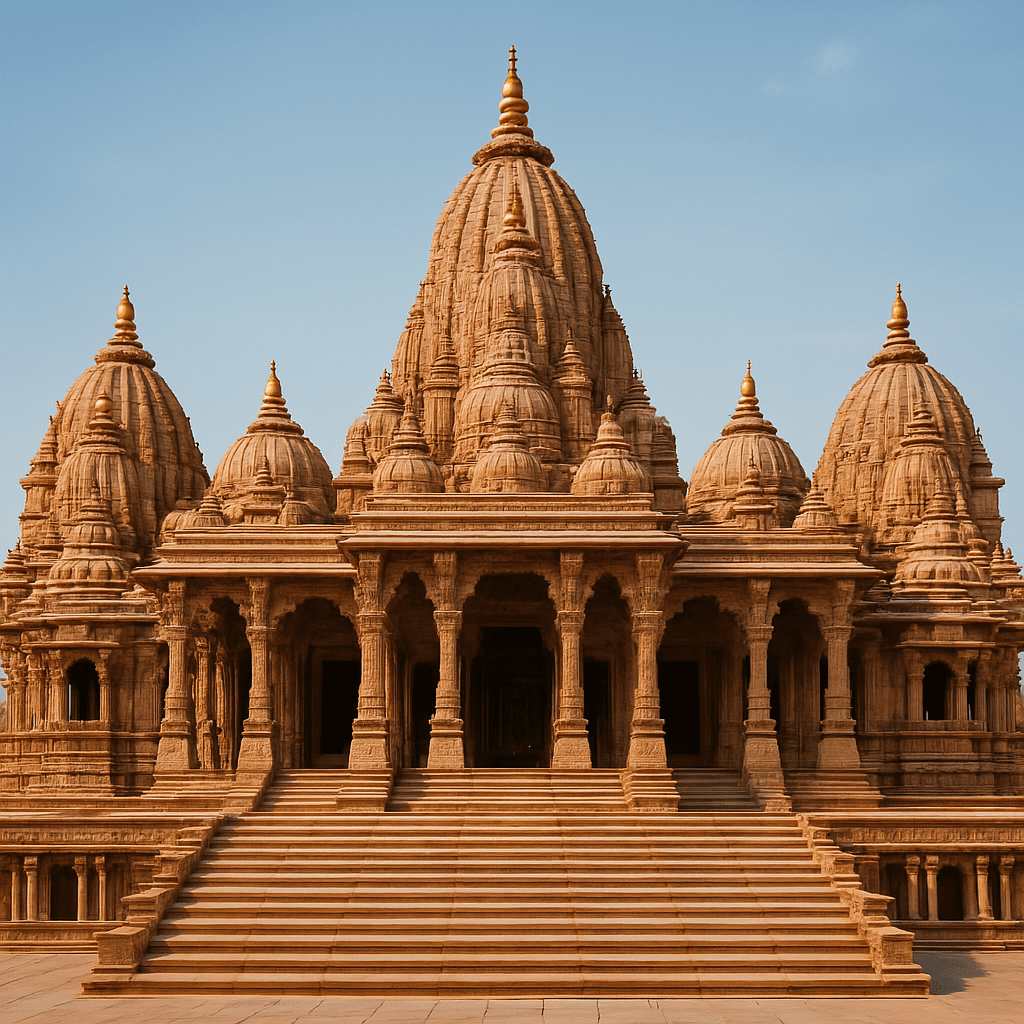
While the grand temple at Whitefield is taking shape, the mission thrives through a small temple at the main premises and more than 11 active Bhakti centres across Bangalore East. You can attend sessions at the main premises or at a Bhakti centre near your home or workplace across East Bengaluru.
The Progressive Journey of Chanting
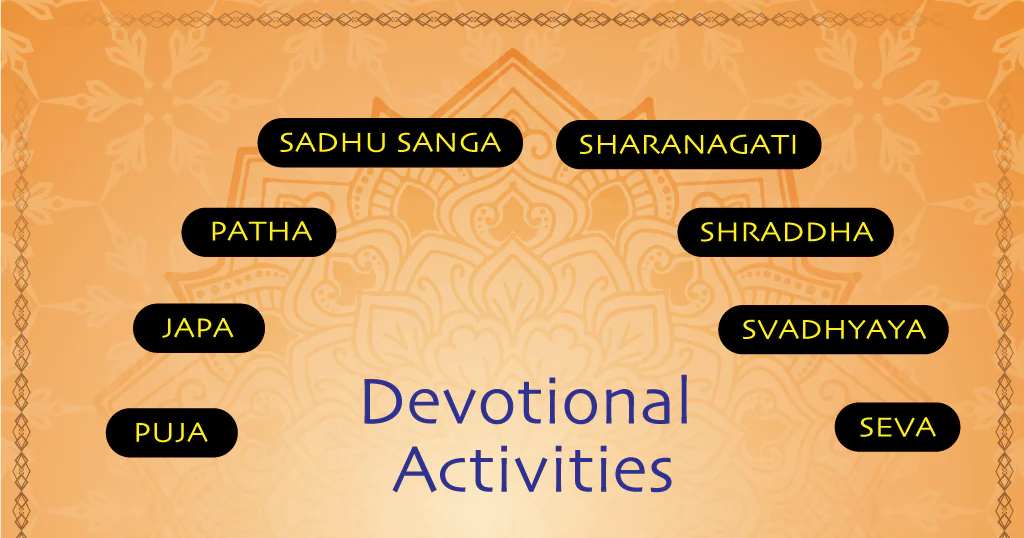
Srila Prabhupada and the Vaishnava tradition describe chanting as a journey with recognizable milestones. It begins with initial curiosity and faith in the process, known as Shraddha. This naturally leads to seeking out the company of those who are also practicing, called Sadhu-sanga, the association of devotees. From there, one begins a regulated practice of chanting and service, known as Bhajana-kriya. Over time, through sincere practice, unwanted habits, anxieties, and impurities begin to gradually fall away in a process called Anartha-nivritti. Beyond these stages lie steadiness, taste, attachment, and ultimately pure love of God.
The journey is long, but every single round of japa, every kirtan, and every act of devotional service is a meaningful step forward.
Deepen Your Understanding Through Our Courses
Chanting is simple enough to begin immediately, but understanding its philosophical foundations makes the practice richer and more sustained. ISKCON Whitefield offers foundational courses including Bhakti Steps, the Gita Course, and Bhakti Shastri. These programs explore the maha mantra meaning in depth, trace its origins in texts like the Kali-Santarana Upanishad, and situate Srila Prabhupada’s teachings within the living Gaudiya Vaishnava tradition.
These courses are not academic exercises. They are practical guides to transformation, and they are open to everyone regardless of prior spiritual background.
Be Part of Something Larger
Chanting is a personal practice, but at ISKCON Whitefield it is also a shared mission. Our Cause for Life initiative brings together devotees, volunteers, and community members who are committed to spiritual growth alongside meaningful social service, guided by the principles of Devotion, Simplicity, and Compassion taught by Srila Prabhupada.
If you feel called to contribute to a permanent spiritual home where this sacred mantra will resound for generations, you are welcome to contribute to the temple construction at Whitefield. Every contribution is an act of service to Lord Sri Krishna and supports the continuation of this living tradition for the wider community.
The hare krishna iskcon mantra is not a trend. It is an ancient, scripture-backed, universally accessible path to inner transformation that has been walked by sages, saints, and sincere seekers for centuries. At ISKCON Whitefield, we hold this treasure with care and share it with joy. We warmly welcome you to take your first step, or your next one, with us.
Hare Krishna.
Frequently Asked Questions
Q1. Can anyone chant the Hare Krishna mantra?
Yes, without any exception. The Kali-Santarana Upanishad explicitly states there are no rules or qualifications required. Anyone, at any stage of life, from any background, can begin chanting and receive the full benefit.
Q2. What is the best time to chant?
The Brahma-muhurta period, approximately 90 minutes before sunrise, is traditionally considered the most auspicious. However, chanting at any time of day is beneficial and encouraged.
Q3. Do I need to be formally initiated?
No. Initiation is a deeper commitment within the devotional path, but the purifying benefits of chanting the holy names are available to everyone from the very first time they sincerely chant.
Q4. What is the complete Maha-Mantra?
The complete mantra is: Hare Krishna, Hare Krishna, Krishna Krishna, Hare Hare / Hare Rama, Hare Rama, Rama Rama, Hare Hare.
Q5. What does “Hare” mean in the mantra?
Hare is a call to the divine energy of the Lord, specifically Srimati Radharani. It is an appeal to that energy to engage us in the loving service of the Lord.
Q6. Is the hare krishna iskcon mantra the same as the Maha-Mantra?
Yes. The Maha-Mantra and the Hare Krishna mantra are the same. “Maha-Mantra” simply means “Great Mantra,” reflecting its supreme position among all mantras for the present age.