
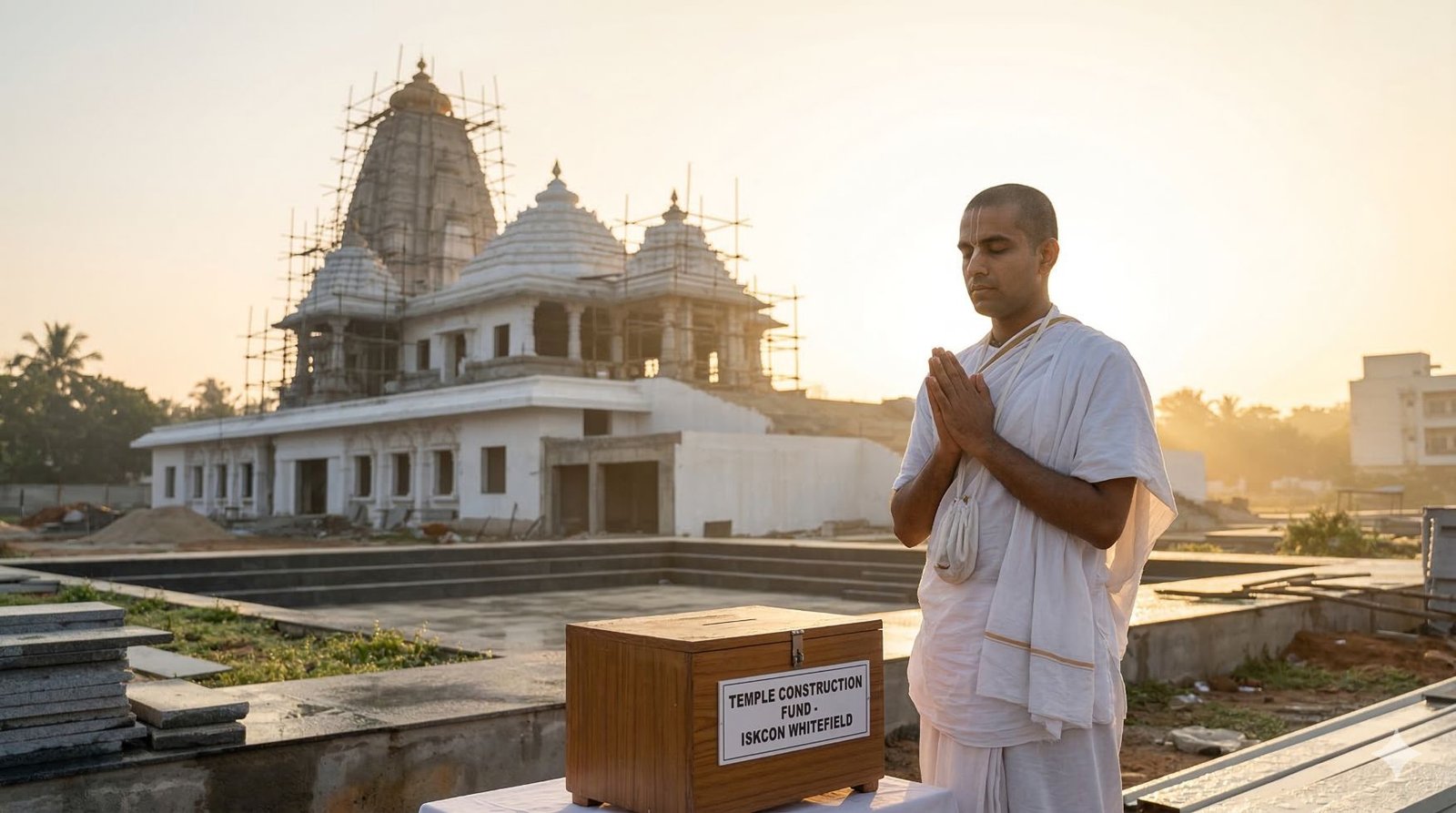
In today’s world, charity is often seen as a simple act of generosity, helping someone in need or contributing to a good cause. But in the Vedic spiritual tradition, giving is much more than charity. When done with the right intention, it becomes a powerful spiritual practice that purifies the heart and deepens our connection with God.
This is where the ancient concept of Sankalpa comes in.
Sankalpa is not merely a resolution or a fleeting thought before an action. It is a deliberate inner alignment of intention, a conscious vow that directs the mind toward a higher purpose. When charity is performed with such awareness, the act itself evolves from a material transaction into a meditative offering.
Through Sankalpa, we learn that giving is not only about helping others, it is also about refining our own consciousness and strengthening our connection with the Divine.
Charity and the Inner Transformation
Most people think charity benefits the recipient. While that is certainly true, the deeper transformation often happens within the giver.
Modern psychology increasingly recognises that intentional actions reshape our mental patterns. Neuroscience refers to this phenomenon as neuroplasticity, the brain’s ability to reorganise itself through repeated thoughts and actions.
The Vedic sages understood this principle long ago. They taught that when we perform actions with a clear spiritual intention, such as offering charity in service to God, it gradually reshapes our consciousness.
Each act of giving becomes an opportunity to shift our mindset from self-centeredness to service.
Instead of reinforcing the ego, the act of giving begins to purify it.
The Anatomy of Sankalpa
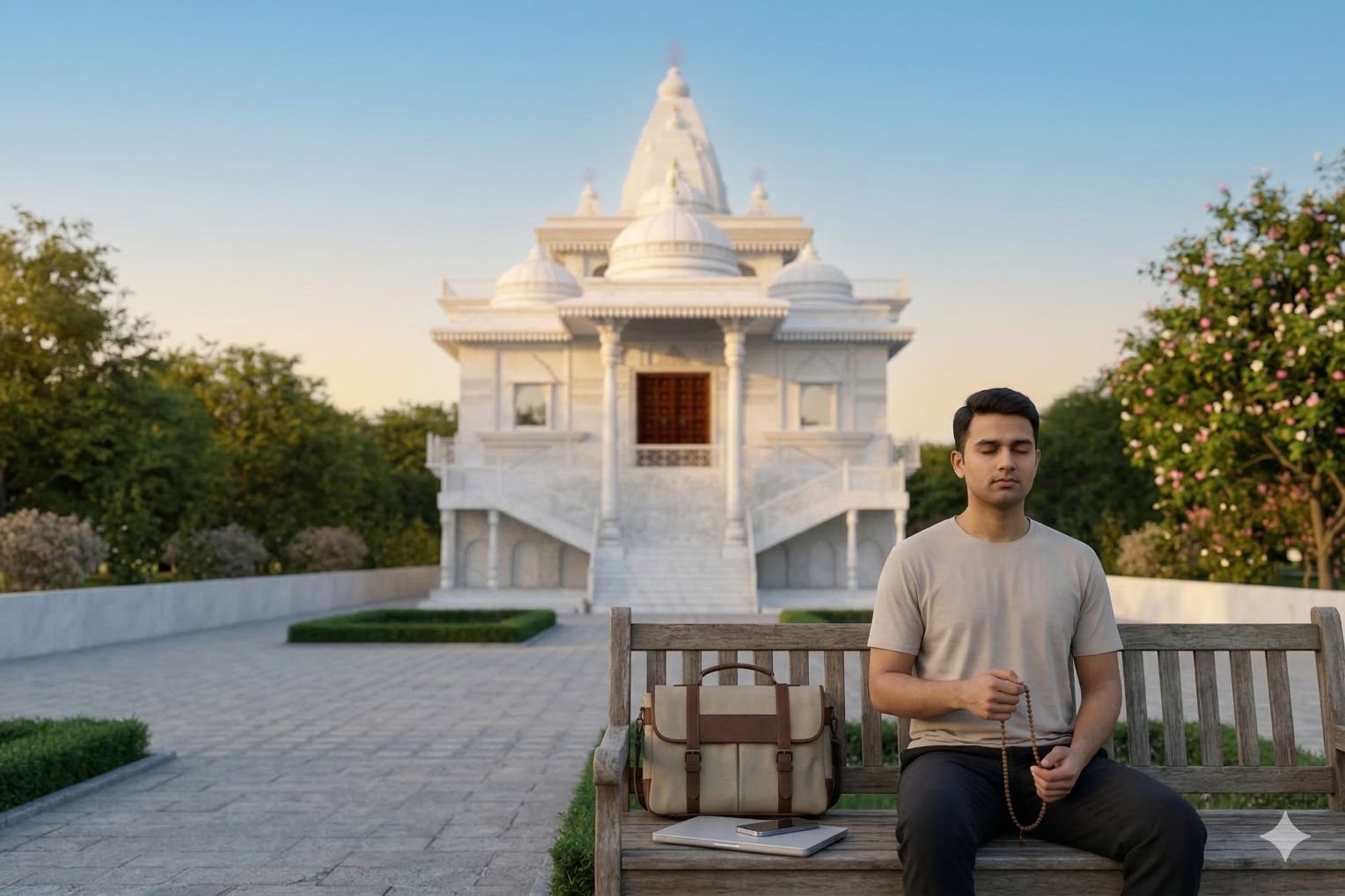
In the spiritual tradition, Sankalpa represents a deep internal commitment that precedes an action. It is the moment where we consciously align our thoughts, emotions, and purpose.
When charity is done impulsively or mechanically, it may still provide material benefit. However, when it is done with Sankalpa, the mind enters a focused and meditative state.
In that state, giving becomes a sacrifice rather than a transaction.
We begin to see our actions not as isolated events but as offerings dedicated to a higher purpose.
This subtle shift in perspective is what transforms ordinary charity into spiritual practice.

Take your Sankalpa for ISKCON Whitefield’s Temple Construction.
The Subtle Mechanics of Goodness
Vedic philosophy describes three fundamental qualities that influence human behaviour: Sattva (mode of goodness), Rajas (mode of passion), and Tamas (mode of ignorance).
When charity is motivated by ego, prestige, or social recognition, it falls under the influence of passion. When it is done carelessly or without awareness, it may reflect ignorance.
But when charity is performed with purity of intention, without expectation of reward or recognition, it operates in the mode of goodness (Sattva Guna).
In this state, giving becomes uplifting not only for the recipient but also for the giver’s consciousness.
Actions performed in the mode of goodness bring clarity, inner peace, and emotional balance. They act as a protective shield against the mental noise and anxiety of modern life, helping the mind remain steady and purposeful.
Dismantling the Ego
One of the greatest obstacles in spiritual growth is the subtle influence of the ego.
The ego often attempts to claim ownership of good deeds. It whispers: “I am generous. I am doing something great.”
When this mentality takes over, acts of charity can easily become tools for pride or social validation.
Sankalpa helps dismantle this egoic framework.
By consciously offering our actions to the Divine, we gradually shift from the mentality of “I am the doer” to the realisation that “I am an instrument.”
This shift brings a sense of lightness and humility. Instead of seeking recognition, the practitioner begins to experience joy in simply being able to serve.
Purification Through Meditative Sacrifice
In Bhakti philosophy, the heart is often described as being covered by anarthas, unwanted habits and desires that obscure our spiritual vision.
Acts of intentional giving play a powerful role in removing these coverings.
When charity is performed with Sankalpa, it becomes a form of Bhakti Yoga, the path of devotional service. The act itself becomes meditative, purifying the mind and heart.
Gradually, this process softens the ego, reduces selfish tendencies, and cultivates compassion.
As the heart becomes purified, one begins to perceive the presence of the Divine more clearly in everyday life.

Take your Ekadashi Sankalpa
The Resonance of Divine Service
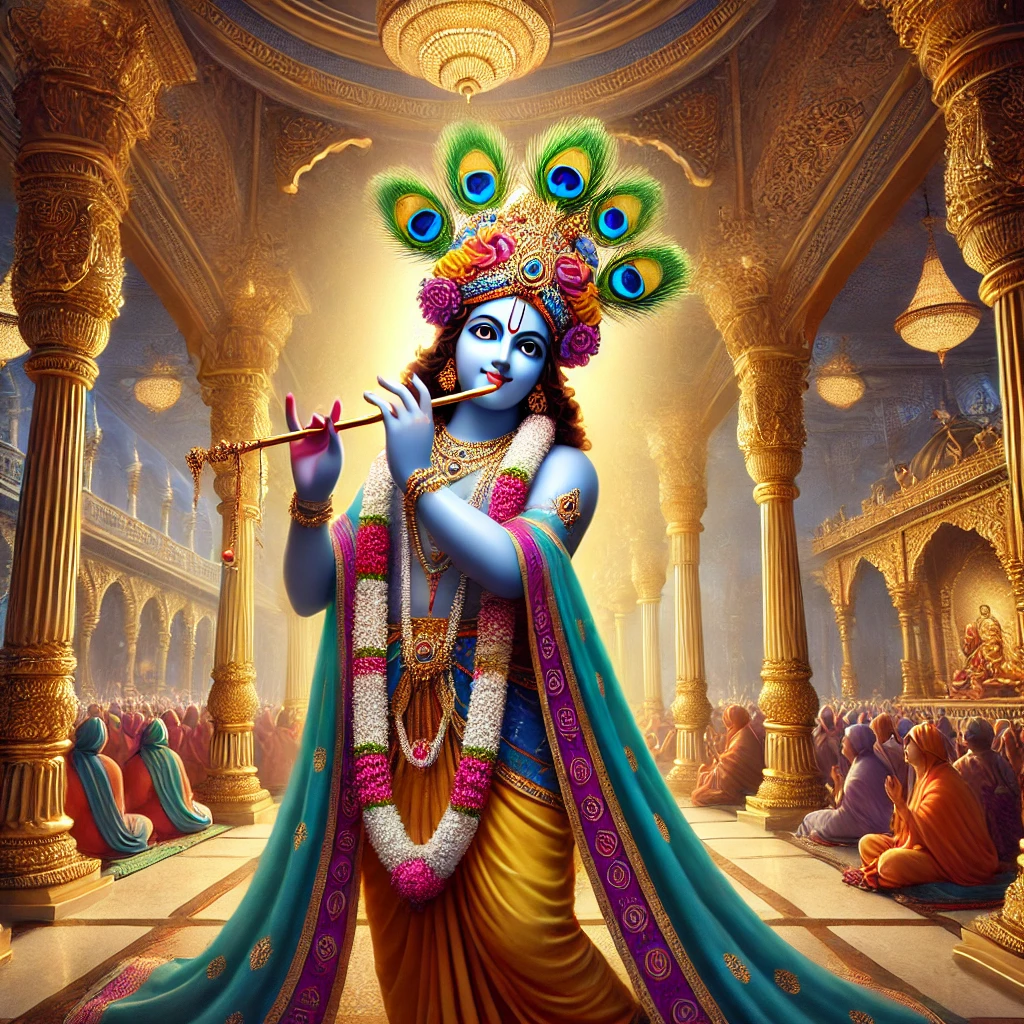
The ultimate purpose of Sankalpa is not merely self-improvement; it is to deepen our relationship with the Divine. All acts of service are ultimately meant to be offered to Sri Sri Radha-Krishna, the embodiment of divine love.
When giving is performed with this devotional intention, it becomes a bridge between the material and the spiritual worlds.
A purified heart begins to resonate with higher spiritual emotions, especially prema, or divine love.
In this state, spiritual practices no longer feel forced or mechanical. They become natural expressions of gratitude and devotion.
Living with Sankalpa
The science of Sankalpa offers a powerful roadmap for modern life.
In a world often driven by speed, distraction, and self-interest, intentional giving allows us to pause, reflect, and reconnect with our deeper purpose.
Whether through charity, service, or daily actions, aligning our intentions transforms ordinary activities into meaningful spiritual offerings.
Every act becomes an opportunity to refine our consciousness.
Every moment becomes an opportunity to serve.
And through this process, the practitioner gradually discovers a profound truth:
The greatest transformation of charity is not what it changes in the world, it is what it changes within us.